Learn About real estate appraisal services
Learn About real estate appraisal services
Blog Article
Comprehensive Estate Appraisal: Maximize Your Real Estate's Value
A detailed property evaluation constitutes a vital function in assessing a property's value, notably following the loss of a family member. It guarantees an equitable distribution of assets among heirs and facilitates in satisfying monetary duties. Understanding the differing elements shaping appraisal is essential. Furthermore, selecting the fitting evaluator can substantially influence the outcome. With numerous elements in question, how can real estate holders effectively prepare for this process?
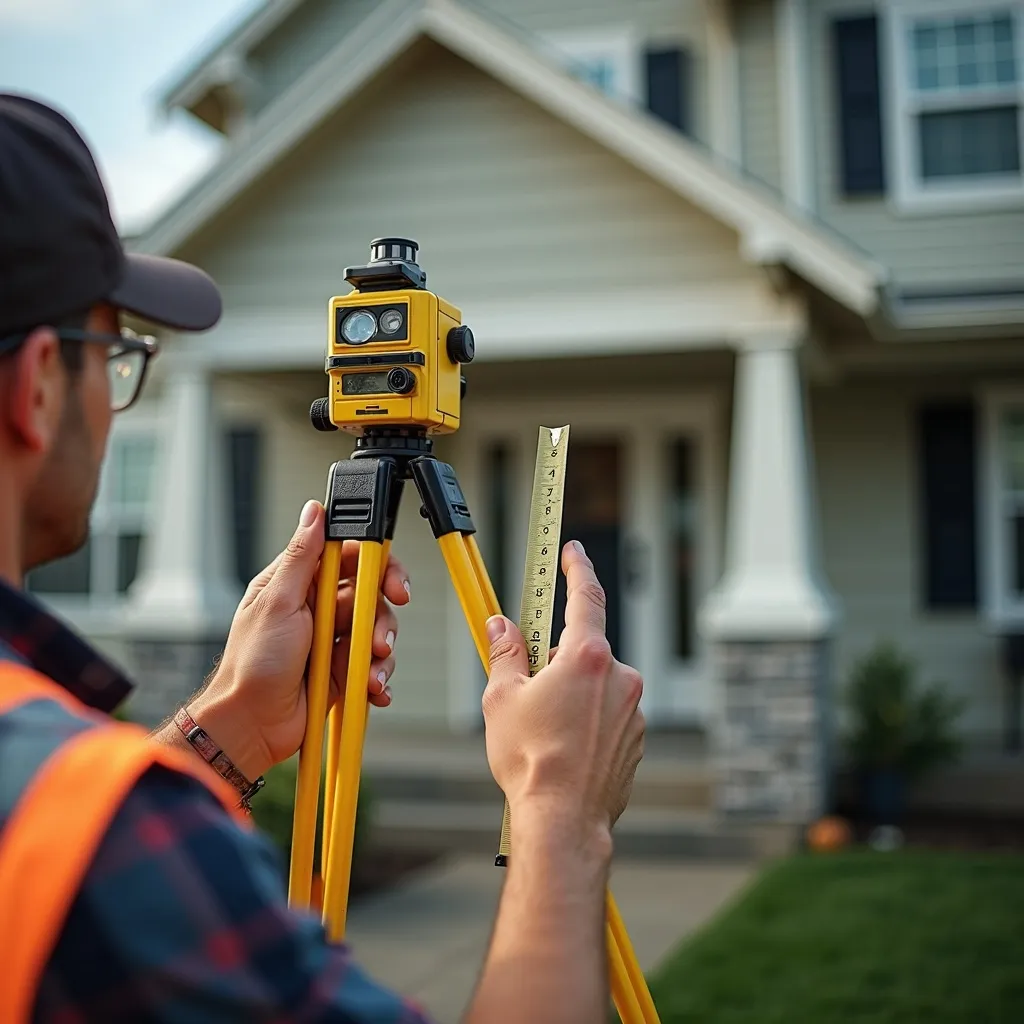
Grasping the Purpose of an Estate Evaluation
An estate appraisal serves as an essential tool in determining the worth of a departed individual's assets. This process is essential for several reasons, primarily to make possible the fair allocation of holdings among heirs and inheritors. It furnishes a definitive assessment that can aid in settling obligations and tax matters, ensuring that the property settlement fulfills lawful needs. Additionally, an reliable appraisal helps in decreasing disputes among family members, thus promoting a smoother transition during what is often a hard time.
Furthermore, an property valuation can likewise assist in identifying and documenting the resources for future generations. It establishes a baseline value that can be consulted for conceivable future transactions or taxation objectives. Ultimately, understanding the purpose of an estate appraisal highlights its role in achieving openness and justice in the stewardship of a departed individual's estate, promoting responsible estate planning and execution.
Essential Elements Affecting Property Valuation
Various vital elements significantly influence property valuation during an estate appraisal. Location and accessibility regularly establish a property's desirability, while the condition of the property itself may affect its overall worth. Additionally, market trends analysis provides perspective on current economic conditions that influence property values.
Location and Convenience
Location and accessibility play crucial roles in assessing property worth, affecting buyer interest and market trends. Properties situated in attractive neighborhoods, close to amenities such as schools, shopping centers, and public transportation, generally command higher prices. Additionally, accessibility to major roadways and employment hubs enhances a property’s appeal, making it more appealing to potential buyers. Areas with low crime rates and good school districts often see increased demand, further driving up property values. Conversely, properties in remote locations or those with limited access to essential services may experience decreased valuation. Understanding these factors allows sellers to strategically position their properties, enhancing marketability and ensuring ideal returns on investment.
Property Quality Inspection
Beyond location and accessibility, the state of a property significantly affects its value. Essential elements include structural integrity, age, and maintenance history. A properly maintained property typically commands a greater asking price, as buyers are often willing to pay a premium for move-in readiness. Conversely, properties needing major restoration work or upgrades may deter prospective purchasers, leading to lower offers. Moreover, updates in critical systems—such as plumbing, electrical, and roofing—can enhance value, while ignoring these areas can cause value decline. A thorough property condition evaluation not only identifies these factors but also delivers article a transparent picture for prospective clients, ultimately influencing the property's marketability and ultimate selling price. Assessing the property's state is, therefore, a crucial component of precise property valuation.
Market Trends Examination
Market trends play a pivotal role in determining property valuation, influencing buyer behavior and pricing strategies. Factors such as local economic conditions, employment rates, and demographic shifts significantly influence market demand. Additionally, interest rates and financing availability dictate how buyers approach property purchases. Seasonal trends often affect buyer activity, with certain periods experiencing higher sales volumes. Furthermore, neighborhood developments, such as new amenities or infrastructure projects, can enhance property desirability. Understanding these dynamics allows appraisers and property owners to adjust their strategies accordingly. By closely tracking these trends, stakeholders can take knowledge-based steps, ensuring that property valuations represent current market realities and maximizing potential returns. Ultimately, a thorough market trends analysis is essential for effective estate appraisal.
Tips for Selecting a Professional Appraiser
Finding a qualified assessor calls for deliberate thought regarding several key factors. Credentials and experience are fundamentally important, as does the appraiser's grasp of the local market. Likewise, recognizing the assessment approaches employed can greatly influence the accuracy and reliability of the estate appraisal.
Credentials and Experience
When selecting a competent appraiser, it is critical to review their qualifications and experience, as these factors significantly affect the exactness and trustworthiness of the appraisal. A certified appraiser typically holds an suitable designation from a established professional organization, such as the Appraisal Institute or the American Society of Appraisers. Additionally, extensive experience in the field, particularly with the type of property being appraised, is essential. Prospective clients should question about the appraiser's track record, including the total of appraisals completed and any areas of expertise. It's also beneficial to investigate continuing education, which reflects a dedication to maintaining current knowledge of industry standards and practices. Collectively, these elements guarantee a well-rounded professional capable of delivering precise appraisals.
Local Market Intelligence
Understanding area-specific market factors is essential for selecting a qualified appraiser, as their understanding of the locality can substantially influence the appraisal's dependability. An appraiser with extensive knowledge of the regional property environment will be better equipped to assess property values based on recent sales, community patterns, and economic indicators. It is prudent to seek out appraisers who have been active in the particular region for many years, as they will possess insights into unique factors impacting property worth. Additionally, reviewing local certifications or participation in professional groups can additionally establish an appraiser's competence. Ultimately, opting for someone deeply familiar with regional market dynamics can generate a more precise and favorable property valuation.
The Valuation Approach Used
The appraisal process carried out by a qualified appraiser represents a key consideration determining property appraisal. Appraisers regularly employ three core approaches: the sales comparison approach, the cost approach, and the income approach. The comparative market analysis reviews similar properties previously sold in the region, whereas the replacement cost method figures the cost of replacing the property minus depreciation. The revenue-based method is frequently used for rental assets and calculates anticipated income streams. When hiring an valuation expert, property owners must prioritize credentials, including certifications and experience. It is equally important to evaluate their familiarity with local market trends and real estate categories. A knowledgeable professional can deliver a thorough analysis, ensuring precise and favorable property assessment for succession planning.
Get Your Property Set for an Appraisal
Preparing a property for appraisal is crucial for obtaining an precise valuation. Homeowners should begin by ensuring that the property is clean and clutter-free, which allows appraisers to see its full potential. Simple cosmetic improvements, such as fresh paint or minor repairs, can significantly boost appeal.
Furthermore, it is suggested to assemble pertinent documents, including prior appraisals, tax assessments, and property disclosures, as these provide valuable context for the appraiser. Landscaping should likewise be addressed; well-kept gardens and lawns can create a favorable first impression.
To summarize, homeowners should be prepared to provide a list of distinctive improvements and enhancements, as these elements may affect the overall worth. By following these steps, homeowners can enable an smoother appraisal process and potentially increase their estate's worth.
Typical Property Assessment Pitfalls to Steer Clear Of
There are several typical blunders that can impede the estate valuation process and conceivably cause unreliable valuations. One frequent oversight is not providing full and correct property particulars. Fragmentary details can distort the appraiser's interpretation, leading to miscalculations. Another blunder is overlooking recent market trends and comparable sales, which can substantially affect property prices. Ignoring essential improvements or repairs also causes difficulty; appraisers need to evaluate the property's present state precisely.
Additionally, relying solely on online valuation tools can deceive owners, as these instruments often miss local market nuances. Emotional attachment to the property may obscure judgment, leading to unrealistic expectations concerning value. Finally, not hiring a qualified appraiser can compromise the appraisal's integrity. By avoiding these common pitfalls, property owners can guarantee a more precise and advantageous estate appraisal.
Enhance Your Property Value With These Strategies
Improving property value requires a strategic approach that encompasses both aesthetic and functional improvements. First, boosting exterior attractiveness is essential; basic yard work, new paint, and tidy pathways can create a lasting first impression. Inside, renovating kitchens and baths often yields the best results. Modern fixtures and energy-efficient appliances can draw in prospective purchasers.
Furthermore, decluttering and staging the home creates it more appealing and enable prospective buyers to envision themselves occupying the space. Making small fixes, such as repairing dripping taps or replacing worn flooring, can also significantly enhance appeal.
Furthermore, incorporating smart home technology offers a modern edge that numerous purchasers desire. Finally, comprehending local market trends and pricing strategically can situate the property positively. Through implementing these approaches, property investors can improve their asset's value and assure a more positive appraisal outcome.
What to Do After Your Appraisal?
Following the application of methods for boosting property value, the subsequent steps after an appraisal are critical. Property owners should start by examining the appraisal report in detail, confirming they grasp the valuation and any factors impacting it. If problems or questions occur, it is vital to address them without delay, perhaps through a dialogue with the appraiser.
Next, owners should consider their financial objectives. Whether intending to sell, obtain new financing, or hold the property, aligning strategies with the valuation results is essential. For those selling, leveraging the appraisal value can direct pricing strategies and marketing approaches successfully.
Additionally, homeowners could seek guidance from property professionals for insights on emerging market trends, making sure they benefit from their property's value. Finally, staying informed about ongoing property improvements and market situations can help sustain or enhance value over time, making the appraisal a key tool in long-term property oversight and strategy.
Frequently Asked Questions
How Often Should I Get My Property Appraised?
Experts recommend estate appraisals every three to five years, or after significant changes, such as renovations or market shifts. Regular assessments guarantee property values represent current conditions, aiding informed decision-making for owners and potential buyers.
Can I challenge an appraised amount I disagree with?
Yes, an person can contest an property valuation they take issue with. This procedure usually entails presenting supporting evidence confirming their position, such as market comparisons or property condition, to the appropriate authority or appraisal board for examination.
What Documents Are Required for an Appraisal?
Conducting an appraisal necessitates essential documents that usually feature property deeds, previous appraisals, tax assessments, renovation records, and any relevant photographs. These materials enable the appraiser to accurately assess the property's current market value.
How long Does an Estate Appraisal Usually Take?
A property appraisal typically takes between one to three hours, contingent upon the property's size and intricacy. However, final documents may need additional time for documentation and review before finishing and providing to the client.
Does an Appraisal Value Affect My Tax Bills?
An appraisal value can significantly determine property taxes. Local tax authorities often rely upon appraised values to compute tax assessments, meaning a higher appraisal may cause increased property taxes, impacting the owner's financial responsibilities.
Report this page